
Omnichannel Marketing vs. Multichannel Marketing: What Is the Difference?
15 min

Executive summary
Modern B2B buying journeys are long, complex, and driven by multiple stakeholders. Engaging limited buying group members through isolated channels is no longer enough. This article explores the differences between multichannel and omnichannel marketing and explains how each approach impacts visibility, engagement, and buyer experience.

- Discover how omnichannel marketing connects every touchpoint into a single, data-driven journey
- Learn whether full omnichannel integration or multichannel visibility is more effective
- Explore practical frameworks for aligning data, teams, and technology to support unified engagement
- Identify how buying group size, journey length, and stakeholder influence shape channel strategy
Read to evolve from disconnected channel execution to an integrated, buyer-centric strategy.
Considering the complexity of B2B buyer journeys, reaching buyers on a single channel is not enough to influence a purchase decision. Your buyers have more control over how they discover, evaluate, and engage with brands by navigating various touchpoints.
To keep up with buying behavior, it has become increasingly important to apply multiple channels simultaneously, which include multichannel and omnichannel marketing approaches.
Though often used interchangeably, these strategies differ in their execution and impact. Multichannel marketing amplifies reach by engaging audiences across separate, independent platforms, while omnichannel marketing unifies every touchpoint into a connected buyer experience.
Understanding these differences and knowing when to deploy each can be the difference between fragmented campaigns and engagement that drives meaningful results.
In this article, we explore the differences between omnichannel and multichannel strategies and how to successfully implement each approach.
What is omnichannel marketing?

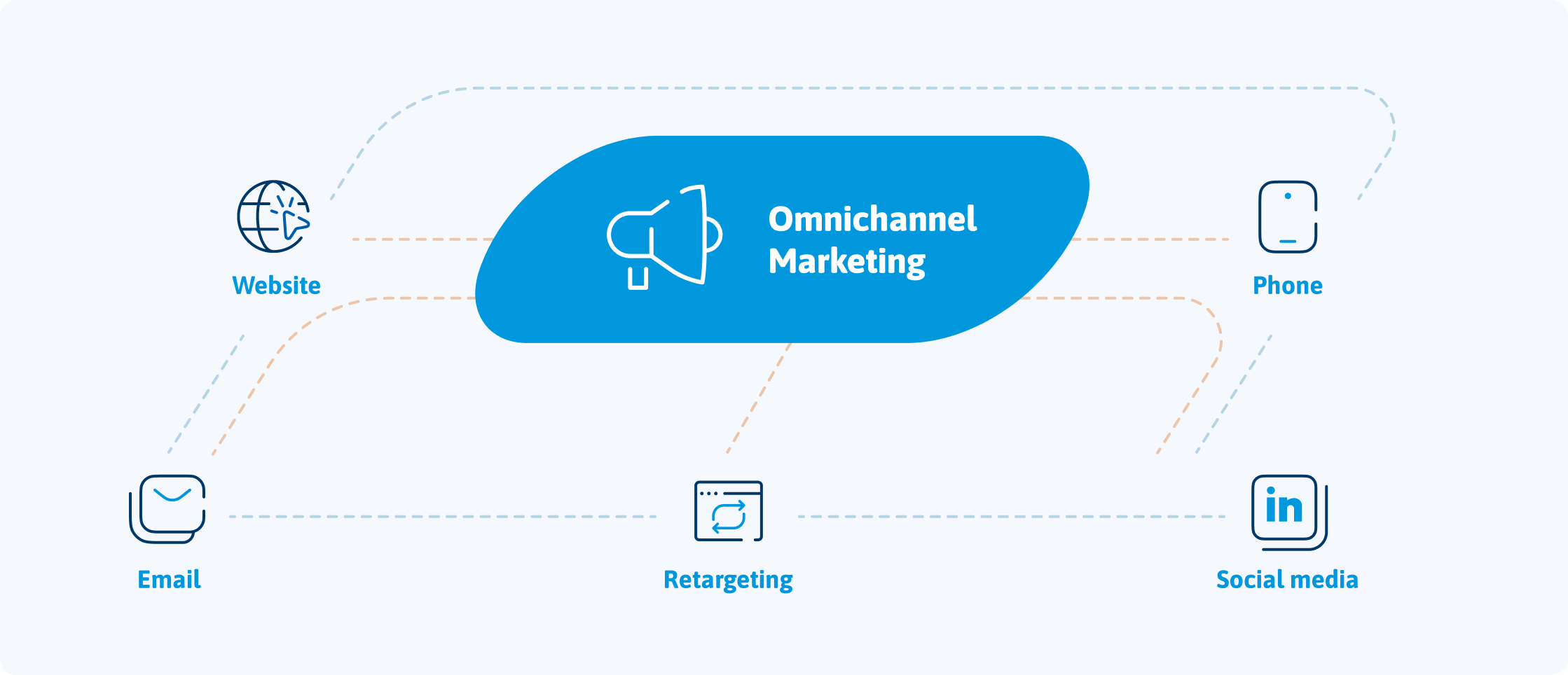
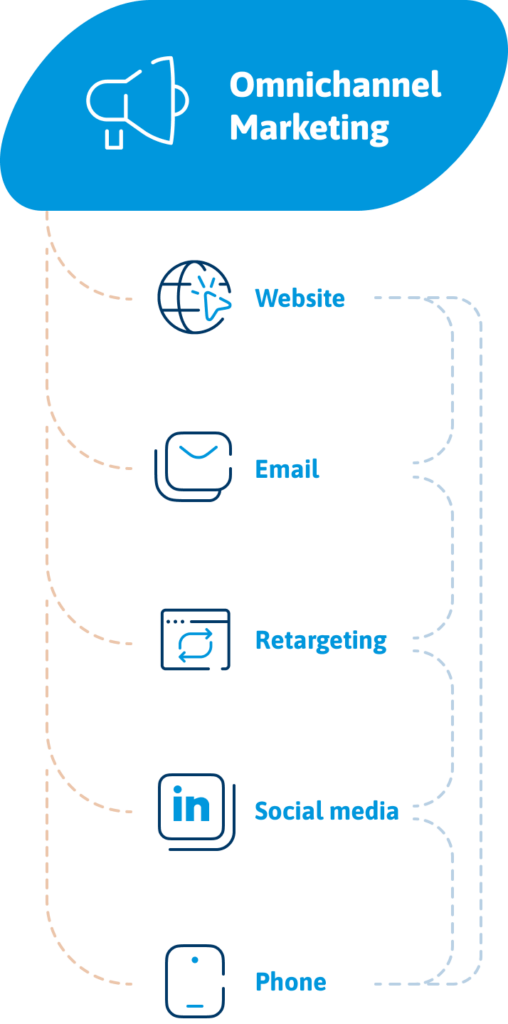
Omnichannel marketing in B2B is a coordinated strategy that unifies all buyer touchpoints into a single, seamless experience. These experiences can span digital, physical, and human interactions.
Rather than managing each channel independently, omnichannel marketing connects them through shared data. This ensures every interaction is informed by a buyer’s previous engagement. Taking a connected approach creates a consistent narrative across email, content, events, and sales conversations, allowing buying groups to move fluidly between channels without losing context.
In the context of modern buyer behavior, an omnichannel approach is essential. According to the Voice of the Buyer 2025, 67% of Directors and VPs and 51% of Managers now lead B2B buying groups. Buying group sizes today usually reach up to six people, with many enterprise buying groups extending past 15 members.
In addition, a 2024 B2B Pulse Survey by McKinsey found that B2B buyers now use an average of 10 interaction channels during their buying journey, and that more than 50% of respondents explicitly expect a seamless omnichannel experience rather than discrete, disconnected channel engagement. As a result, the need for connected, data-driven engagement that reaches multiple decision makers across a long and complex journey is increasingly important.
Effective omnichannel strategies help GTM teams meet these buyers where they are. Doing so empowers every stakeholder with consistent, relevant, and timely brand experiences that drive measurable outcomes.
Omnichannel marketing also plays a crucial role in multithreading, which is the practice of engaging multiple stakeholders within an account simultaneously. By unifying data and messaging across channels, it ensures each decision maker experiences personalized, context-aware interactions that collectively accelerate consensus and advance the deal.
“B2B buyers no longer move in straight lines, but through interconnected experiences. Omnichannel strategies succeed because they recognize this reality, connecting every engagement into a unified, data-driven narrative that mirrors how buying groups actually make decisions.”

Founder and CEO, INFUSE
What is multichannel marketing?

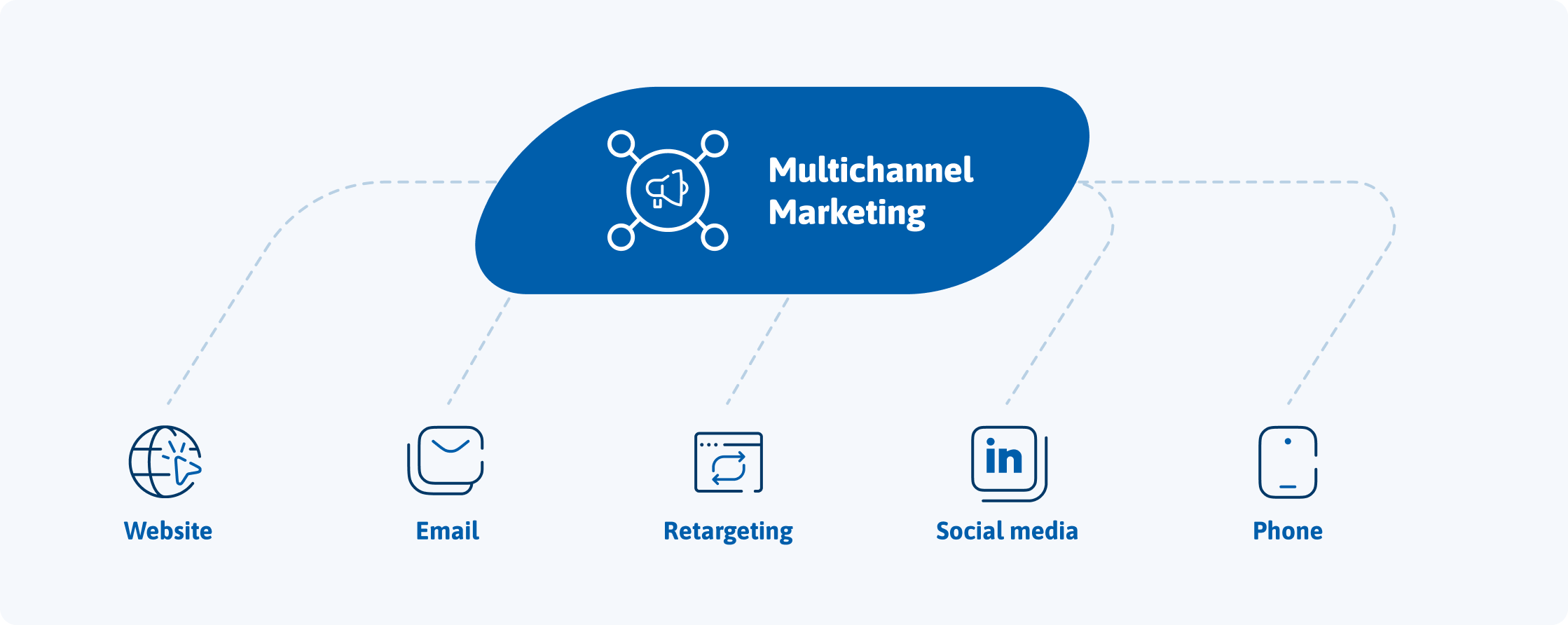
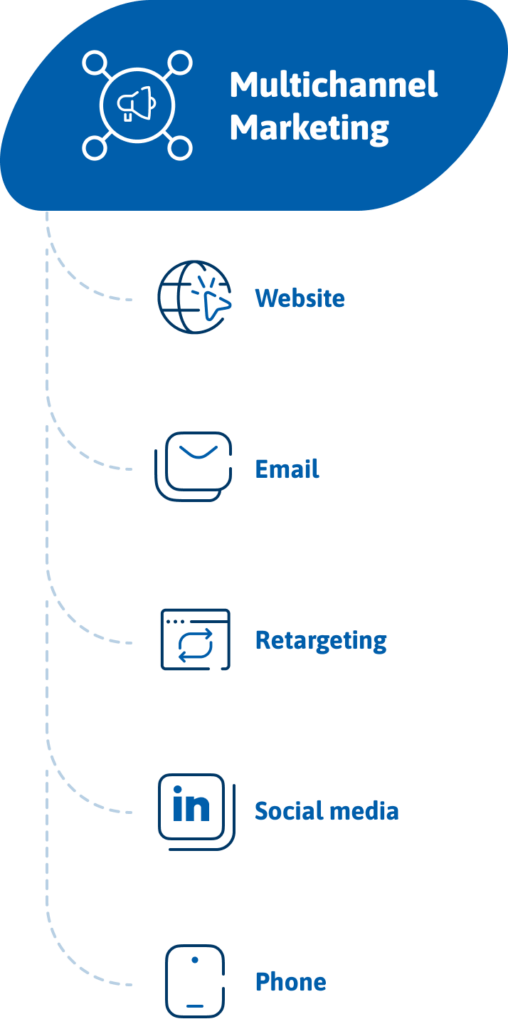
Multichannel marketing refers to the use of multiple, distinct channels to reach and engage target audiences. These channels typically include email, paid media, social platforms, and events.
Each channel operates independently, with its own goals, messaging, and performance metrics. While all channels promote the same brand, they typically do not share data or coordinate messaging, which means buyers may experience fragmented touchpoints rather than a unified journey.
This approach emphasizes reach and visibility over continuity. As modern B2B buying groups remain sizeable, yet buying cycles have shortened, the average journey from need identification to purchase now runs roughly 10 months (6sense, Buyer Experience Report 2025), multichannel strategies can still play an important role in driving awareness across diverse platforms.
6sense’s Buyer Experience Report also notes that buyers initiate first contact only after 61% through the journey. This means buyers spend most of their journey independently researching solutions across multiple channels.
However, without integration, these independent efforts often fail to reflect the interconnected, buyer-led journeys that now define B2B decision making.
Key differences between multichannel and omnichannel marketing

Multichannel marketing
Omnichannel marketing
Definition
Uses multiple independent channels to reach audiences, with each channel operating separately
Integrates all channels into a single, connected ecosystem that delivers a unified buyer experience
Strategy focus
Channel-centric. It focuses on maximizing presence and visibility across selected platforms
Buyer-centric. It focuses on creating a seamless, consistent experience across the entire buyer journey
Data integration
Limited data sharing between channels. Insights and engagement remain siloed
Shared data and insights across all touchpoints inform real-time personalization and continuity
Message consistency
Messaging may differ by channel, leading to fragmented buyer experiences
Messaging is coordinated and consistent across every channel and interaction
Buyer journey
Buyers move between channels independently. Transitions are not connected
Buyers experience fluid movement between channels, with context carried forward at each stage
Technology alignment
Channels rely on separate tools or systems for execution and measurement
Marketing automation, CRM, and analytics platforms are synchronized for holistic engagement
Measurement and optimisation
Performance is tracked per channel. Limited visibility into cross-channel influence
Unified performance measurement across channels enables full-funnel optimization
Team alignment
Marketing, sales, and client success often operate in silos
Cross-functional collaboration ensures a cohesive, data-driven approach to engagement
Experience type
Business-centric. It prioritizes reach, efficiency, and volume
prioritises
Buyer-led. It prioritizes relevance, personalization, and long-term relationship building
How it works
Activates multiple independent channels that run in parallel to reach audiences wherever they engage. Each channel is optimized for its own goals and may personalize messaging locally, but data and narratives are not connected, so the buyer experience depends on each individual touchpoint rather than a unified journey.
Connects all systems, channels, and data so every interaction reflects prior buyer behavior. Marketing automation, CRM, analytics, and sales tools work together to maintain a unified narrative. Every channel reinforces the same message, guiding buying groups with consistent, context-aware engagement.
“The future of B2B marketing lies in unification, aligning data, teams, and technology to deliver a single, consistent experience. Multichannel may increase visibility, but only an omnichannel approach creates true continuity, and that is what drives long-term trust and conversion.”

Omnichannel marketing vs. multichannel marketing: Pros and cons

Implementing a multichannel or omnichannel marketing strategy can work differently for every organization, bringing unique benefits and drawbacks. Below is a breakdown of some of the main considerations to make when evaluating which approach is best.
Omnichannel marketing
Pros:
- Omnichannel marketing creates a unified buyer experience across every channel, supported by shared data and synchronized messaging. This integration enables consistent engagement, accelerates decision making, and enhances personalization at scale.
- For B2B organizations managing long, complex buying cycles, omnichannel execution strengthens trust and supports continuity across marketing and sales touchpoints. By offering prospects flexible, synchronized channel choices, omnichannel strategies allow buyers to progress at their own pace, creating more adaptive and client-centric experiences.
- The approach also encourages long-term relationships, as prospects perceive their needs are understood and valued. When executed effectively, omnichannel strategies can provide a competitive advantage by distinguishing the brand through superior buyer experience and consistent engagement.
Cons:
- Achieving true omnichannel alignment requires advanced data infrastructure, platform integration, and cross-functional coordination. Successful implementation can be resource-intensive, as it requires careful collaboration between marketing, sales, and operations.
- Without clear governance and shared metrics, the approach could carry risks of inefficiency or inconsistent delivery across teams. The need for context-aware, highly personalized messaging introduces further risk, as errors in timing, frequency, or channel targeting can negatively impact the buyer experience.
Multichannel marketing
Pros:
- Multichannel strategies have an extended reach by activating multiple independent platforms. As a result, it is ideal for awareness-building and audience expansion.
- Working across multiple channels offers flexibility and speed, allowing GTM teams to test new channels, optimize performance per platform, and engage niche segments without the complexity of full integration.
- These strategies also increase engagement opportunities, giving prospects more touchpoints to interact with the brand and fostering open communication. Additionally, by observing which channels resonate most at different stages of the buyer journey, marketers can tailor outreach to meet prospects where they prefer, which improves relevance and responsiveness.
Cons:
- Operating channels independently could also limit visibility and consistency. Without shared data, engagement remains siloed, making it difficult to understand full-funnel performance or personalize at scale. As B2B buyers expect cohesive, context-aware experiences, this lack of alignment can fragment the buyer journey and reduce impact over time.
- In fact, only 30% of marketers in a 2024 multichannel survey rated their multichannel strategy as strategically successful, which highlights the measurement and coordination challenges inherent in siloed channel execution.
- Multichannel approaches can also create repetitive messaging if timing is not carefully managed, which may frustrate prospects and reduce perceived personalization. Managing programs across multiple platforms introduces logistical complexity, from content creation to distribution and measurement.
- Finally, because prospects may use some channels for research but convert through others, there is a risk of cannibalized sales and an unclear attribution of channel effectiveness.
ACTIVATE OMNICHANNEL ENGAGEMENT THAT MIRRORS YOUR BUYERS’ REAL JOURNEYS
INFUSE demand experts design unified, data-driven programs that connect every touchpoint across marketing and sales. Utilize first-party intent insights and AI-powered personalization to align visibility, consistency, and conversion.
How to implement omnichannel marketing in 6 steps
Implementing an effective omnichannel marketing strategy requires a structured approach that ensures consistency, personalization, and alignment across all touchpoints.
Below are six key steps to creating an effective omnichannel marketing strategy:

1. Develop detailed buyer personas:
Researching your target audience and creating detailed buyer personas reveal behaviors, preferences, decision making patterns, and content consumption habits. These insights provide the foundation for journey maps that resonate with each audience segment.

2. Segment audiences and personalize content:
Collected data and personas can be used to segment audiences precisely. Content should then be personalized to address the needs, pain points, and goals of each segment, and prioritize channels based on where these audiences are most active. Avoid sending irrelevant messaging that could dilute engagement.

3. Map the end-to-end buyer experience:
Plan each stage of the buyer journey, from initial awareness to purchase and post-sale engagement. Define key touchpoints, channel interactions, and content experiences for each segment. This ensures messaging is coherent, timely, and relevant, which reinforces your brand at every interaction.

4. Align cross-functional teams:
Alignment between marketing, sales, and client success teams supports a unified approach. It is important to apply shared insights, data, and performance metrics, as they reduce silos and enable seamless handoffs and consistent messaging across all channels.

5. Leverage integrated technology and analytics:
Marketing automation and analytics platforms can be implemented to centralize data, track interactions across channels, and measure engagement. These insights provide the ability to optimize journeys, refine messaging, and ensure every touchpoint contributes to the overall buyer experience.

6. Iterate and optimize continuously:
Omnichannel marketing is dynamic, as your buyers and their behaviors are constantly changing. Regularly evaluate the performance of your channels, identify gaps or friction points, and adjust programs based on data-driven insights. Prioritizing efficiency and relevance improves ROI and strengthens long-term buyer relationships.
How to implement multichannel marketing in 6 steps
Successfully implementing multichannel marketing requires a structured approach that aligns messaging, channels, and measurement with your target audience.
Below are the six key steps to developing a multichannel marketing strategy:

1. Define your buyer personas:
Analyzing your target market and segmenting it into detailed buyer personas reveals the roles, responsibilities, pain points, and content preferences of each group. Insights from these personas can then shape messaging, content formats, and channel selection.

2. Develop targeted messaging and CTAs:
Content tailored to each persona reflects their specific challenges and objectives. Combining this content with clear, actionable calls-to-action is important to guide prospects toward the next stage of their multichannel journey.

3. Prioritize high-impact channels:
Effective multichannel marketing focuses on the channels where your buyers are most active and engaged. This ensures efficient allocation of budget and resources while maintaining visibility across multiple touchpoints.

4. Leverage your website as a central hub:
Your website should serve as the anchor of all campaigns, consolidating content, insights, and engagement opportunities. Ensure seamless navigation and consistent messaging across all channels that connect back to it.

5. Implement performance measurement:
An attribution model tracks which channels and programs drive engagement and conversions. Insights from this data can inform channel mix, refine your messaging, and influence resource allocation. This is crucial, as 52% of marketers identified data quality as the most essential attribute of a successful multichannel marketing strategy, followed by accurate performance measurement (50%) (Ascend2, 2024).

6. Iterate and optimize continuously:
Multichannel marketing is not static. It is important to regularly review campaign performance, identify gaps or underperforming channels, and refine your strategy. Insights from first-party data can be applied to improve targeting and increase ROI over time.
How to choose between an omnichannel vs. a multichannel marketing strategy

Ultimately, the right strategy depends on your business objectives, resources, buyer complexity, and the maturity of your marketing technology stack.
Here is a practical framework to guide your decision:

1. Evaluate the complexity of your buyer’s journey
Multichannel marketing may suffice if your buyers have shorter, simpler journeys, with limited touchpoints and fewer stakeholders. Independent channel campaigns can deliver awareness and drive engagement without requiring full integration.
Omnichannel is essential for complex, long sales cycles typical of modern B2B buying groups. Seamless, data-driven experiences ensure that every interaction builds trust and moves the buyer forward.

2. Assess your audience expectations
Buyers today expect context-aware and consistent interactions across all channels. If your target accounts demand high personalization or have multiple stakeholders, omnichannel engagement provides the continuity necessary to maintain relevance.
For audiences primarily seeking broad awareness or initial engagement, multichannel can deliver high visibility with lower complexity.
The Voice of the Buyer 2025 report highlights that over 59% of B2B buyers now rely on consultants and SMEs as their primary source for vendor evaluation, which surpasses direct vendor engagement. This shift underscores the importance of omnichannel ecosystems that integrate partner and expert touchpoints to meet buyers where they seek trusted insight.

3. Consider your technology and data readiness
Multichannel marketing requires fewer integrations. Each channel can operate independently, making it easier to implement quickly with standard marketing automation and reporting tools.
Omnichannel marketing depends on connected systems, such as CRM, analytics, marketing automation, and sales enablement platforms, to share insights for coordinated campaigns. Organizations with strong data infrastructure can apply this integration to drive measurable engagement across the full funnel.

4. Match your strategy to business goals
- Brand awareness and prospect generation: Multichannel strategies work to reach new audiences across multiple touchpoints quickly, making them suitable for campaigns aimed at expanding reach.
- Conversion, retention, and account-based growth: Omnichannel strategies outperform when the goal is to nurture complex accounts, accelerate decision making, and deliver consistent messaging across multiple stakeholders.

5. Balance resources and scalability
Multichannel approaches are less resource-intensive and easier to experiment with, making them ideal for testing channels or entering new markets.
Omnichannel strategies require more coordination, governance, and investment, but they scale effectively as organizations grow and buyer journeys become more sophisticated.
Some organizations start with a multichannel foundation to build reach and then evolve into an omnichannel approach as their data capabilities and cross-functional alignment improve. This staged approach allows GTM teams to confidently learn, iterate, and scale.
Key takeaways


BUILD OMNICHANNEL DEMAND STRATEGIES THAT GENUINELY CONNECT WITH YOUR BUYERS
INFUSE’s demand experts design and execute programs that elevate every step of the buyer journey. Partner with us to align your teams, technology, and messaging to drive measurable growth across the entire buyer cycle.